
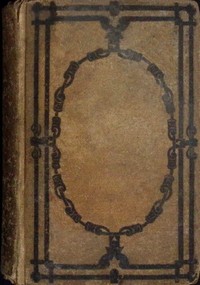
Pen Drawing: An Illustrated Treatise by Charles Donagh Maginnis
Forget novels for a second. Pen Drawing: An Illustrated Treatise is something different. Published in 1903, it's a practical guide written by Charles Maginnis, a highly respected illustrator and architectural draftsman. This book was the go-to manual for students and professionals who wanted to master the art of drawing with pen and ink.
The Story
There's no plot, but there is a clear journey. Maginnis starts with the absolute basics: the right kinds of pens, nibs, paper, and ink. He doesn't assume you know anything. Then, he walks you through the fundamental techniques. He shows how parallel lines can create shade, how crossing them (cross-hatching) builds darkness and form, and how tiny dots (stippling) can craft delicate gradients. The book is packed with his own illustrations as examples—beautiful drawings of landscapes, buildings, and figures—each one a lesson in how to solve a visual problem with simple, black lines. It’s a systematic breakdown of a craft that was essential for book illustration, newspaper cartoons, and commercial art in the pre-digital age.
Why You Should Read It
I love this book because it connects you directly to an artist's hand. In our world of undo buttons and digital brushes, Maginnis reminds us of the discipline and planning required when every mark is permanent. There's a thrilling tension in that. His instructions are clear and patient, but they demand focus. Reading it (and trying the exercises) makes you appreciate the incredible skill in old book engravings or newspaper sketches. It’s not just technical; it's philosophical. He talks about the 'character' of a line and how to develop your own style. It turns drawing from a vague talent into a learnable set of decisions.
Final Verdict
This book is a hidden gem for a specific audience. It's perfect for aspiring artists, illustrators, or hobbyists who want to strengthen their foundational drawing skills with a timeless medium. It's also a fascinating read for history or design buffs curious about how visual information was created a century ago. If you're looking for a fast-paced story, look elsewhere. But if you want a quiet, insightful conversation with a master craftsman that can genuinely improve how you see and create, this century-old treatise still has a lot to say.
This text is dedicated to the public domain. Feel free to use it for personal or commercial purposes.
Charles Allen
9 months agoThe fonts used are very comfortable for long reading sessions.
Sarah Hill
5 months agoBased on the summary, I decided to read it and the flow of the text seems very fluid. Absolutely essential reading.
Sandra Lopez
1 year agoCitation worthy content.
Andrew Lopez
9 months agoGood quality content.


Kevin Rodriguez
2 years agoNot bad at all.